
Quick summary
If you are weighing a cloud phone system, here is a micro rundown:
- It makes sense for companies that need more flexible ways to answer calls, support remote teams, and keep customers from hitting voicemail.
- It may not be the best fit if your internet is weak or your company only needs a very simple phone setup.
- Today’s phone systems do more than handle a dial tone. They help teams connect by phone, chat, and messages across multiple devices.
- New AI tools like a virtual receptionist, AI call summaries, and automated call summaries greatly improve call handling without making the experience feel robotic.
- The right system from the right partner should help your business serve customers better.
For many owners, the question is whether their current phone systems still fit how their teams work. If that’s crossed your mind, then the answer is probably yes. Keep reading, and we’ll help answer common questions that we get all the time.
The Problem Usually Starts with Missed Calls
At the start of a customer interaction, the dreaded missed or misrouted call can be a massive hole that you’ll be fighting hard to get out of for some time.
A customer tries to connect with your company right at the moment that the front desk is busy. Hey, that happens and is a good problem for a business, but what happens next in the system will determine the type of experience the customer will have. What you don’t want is the call to roll to another team member who’s already on another call. Then the call reaches someone out in the field using a mobile app and misses it. The caller hears voicemail, leaves nothing, and moves on. Ouch.
That disjointed workflow is typically the real reason many businesses start looking at phone systems. The last thing they’re doing is chasing trends; they’re just trying to stop losing good opportunities.
Competition is fierce, and every opportunity is hard to come by. For a growing small business, that matters even more. Being scrappy is good, but one missed lead can mean lost money, a lost estimate, or a customer who never comes back. Good customer support starts with being easy to reach.
What Is a Cloud Phone System?
A cloud phone system is a phone system and service that runs over the internet instead of traditional landlines. When someone places phone calls, the system converts voice into data and sends it over the internet.
The straightforward delivery method is why modern phone systems give companies more flexibility at a lower cost. The system provider handles updates, security, and off-site management, while your team gets access to calling tools through desk phones, on mobile, or a desktop app.
When you strip away all the acronyms and technical speak, you’re left with a modern business phone that can travel with your teams. People can receive calls and make outbound calls from the same phone number, whether they’re at a desk, at home, or on the road.
Why Many Businesses Move to the Cloud
Better support for hybrid teams
A cloud-based phone system works well when employees are split across offices, homes, and job sites. Instead of forcing everyone back to old-school desk phones, the system can let each user work from an app on a laptop or a dedicated phone app as a soft client that many buyers are already familiar with.
Lower upfront cost
Traditional phone systems are exponentially more expensive than cloud phone systems because of the hardware costs, installation fees, and upkeep. A VoIP or hosted service will undoubtedly cut that down. Most plans use a per-user monthly model, and some are billed annually for a better cost.
That inherently gives a business more room to grow without buying a whole new line of equipment every time the team expands.
The Tradeoffs You Should Know Before You Buy
Your internet matters
This is often the big one. A VoIP setup depends on a solid internet connection. If your connection is shaky, voice calls and video calls can suffer. You may hear drops, lag, or poor quality.
Not every company needs the same plan
Some companies need simple domestic calling and one phone number. Others need international calling, smarter call handling, and a contact center setup with call queues. Some need unlimited domestic calling. Some only need basic essential features.
It’s important to set up flexibility because the best phone systems are not one-size-fits-all. The right plans depend on your company, your customers, and the way your teams actually work.
Change still takes work
Even the best app and desktop app don’t fix adoption by magic. Every user needs simple training, a clear setup, and a reason to trust the new phone service.
AI Makes the Conversation Better, Not Just Faster
The best part of newer phone systems is that they can do more than route calls. They can help your business answer faster, guide customers to the right person, and reduce wasted time.
A smart virtual receptionist can answer incoming calls, direct routine requests, and help transfer callers without tying up your staff. Additionally, it can support after-hours coverage when your team can’t always answer the phone, allowing the caller to get what they need.
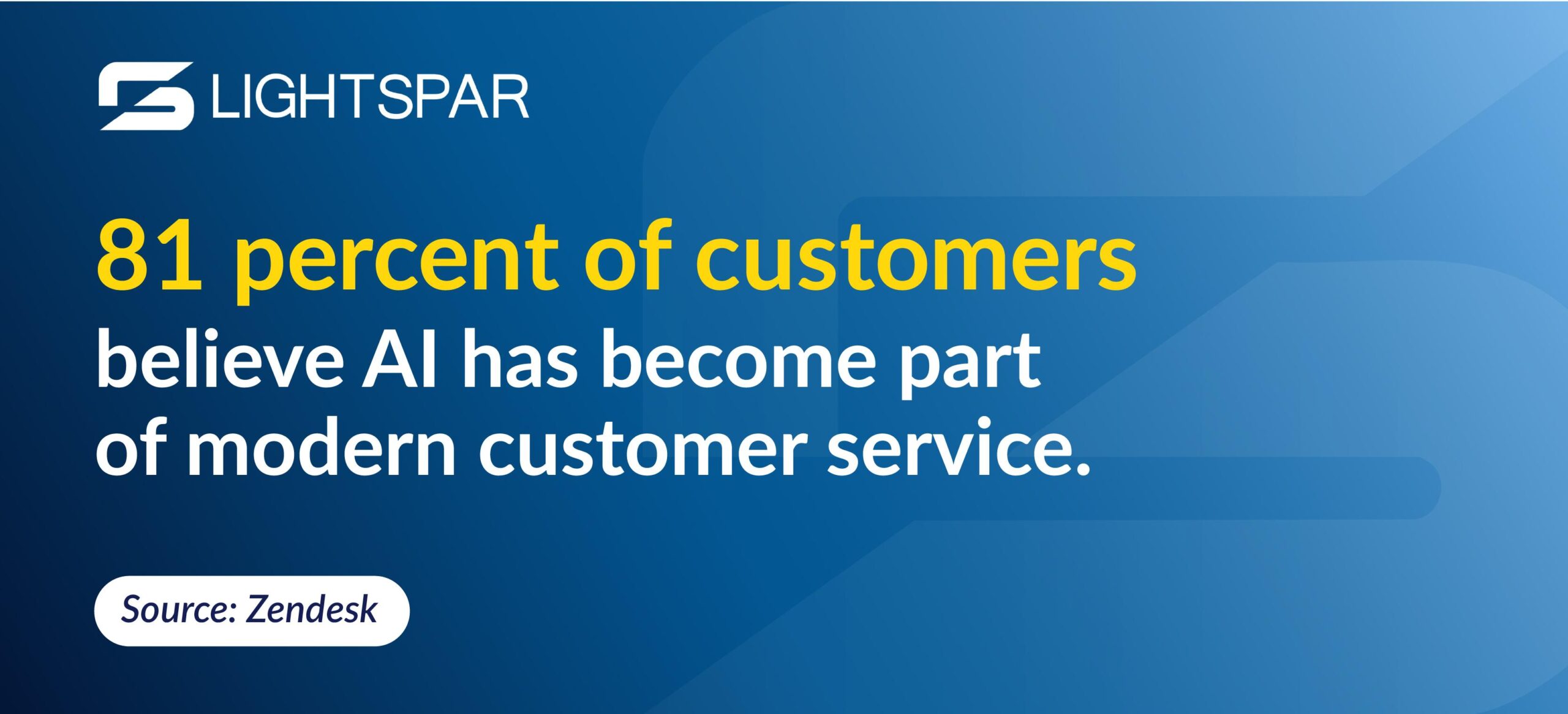
The real achievements with AI are that it helps with call summaries so a sales team or service group can review what happened without replaying every recording. According to a report from Zendesk, 81 percent of consumers believe AI has become part of modern customer service. That kind of management saves time and helps teams stay aligned.
The AI improvements within phone systems offer a different take on the power of missed calls. If your staff can’t always answer, this article on virtual receptionist tools and missed-call revenue shows how better routing and AI support can protect real opportunities.
Beyond Phones: A Better Customer Experience
A modern setup brings chat, SMS messages, and calling into one place. The added channels are exactly what customers are looking for when they work with a business because they want one smooth way to connect across their devices and communication preferences.
Quick Comparison Table
Situation | Good fit for cloud phone service? |
Your team uses multiple devices | Yes |
You need easier call handling | Yes |
You want a soft app plus desk phones | Yes |
You need domestic calling or international calling flexibility | Yes |
Your office internet is unreliable | Maybe not yet |
You only need very basic phone service | Maybe |
FAQ: Common Questions Business Owners Ask
Which cloud phone is best?
The best cloud-based phone system is the one that matches your business, budget, and required features.
Can I use a cloud phone on my cell?
Yes. In many cases, you can use a mobile app to make and receive calls from your business phone number on your personal device.
Is a cloud phone cheaper than a landline?
Often, yes. A hosted service usually has lower upfront cost and more flexible plans than older systems.
What is the best phone system for a small business?
The best option for a small business usually includes strong VoIP reliability, helpful features, simple call forwarding, and room to add users without a huge jump in cost.
Can I just plug a VoIP phone into my router?
Sometimes, yes. Many desk phones are plug-and-play, but the full service still depends on network quality, account setup, and the right devices.

A Cloud Phone System from LightSpar Beats a Traditional System Every Day of the Week
If your company is missing calls, struggling to transfer information between teams, or trying to support remote staff with old hardware, a better hosted phone setup will be worth the move.
But you don’t have to go about choosing an off-the-shelf option and hope for the best. Instead, at LightSpar, we offer no-obligation consultations to show you the ins and outs of what’s available. Contact us, and let’s design a solution that fits your needs.